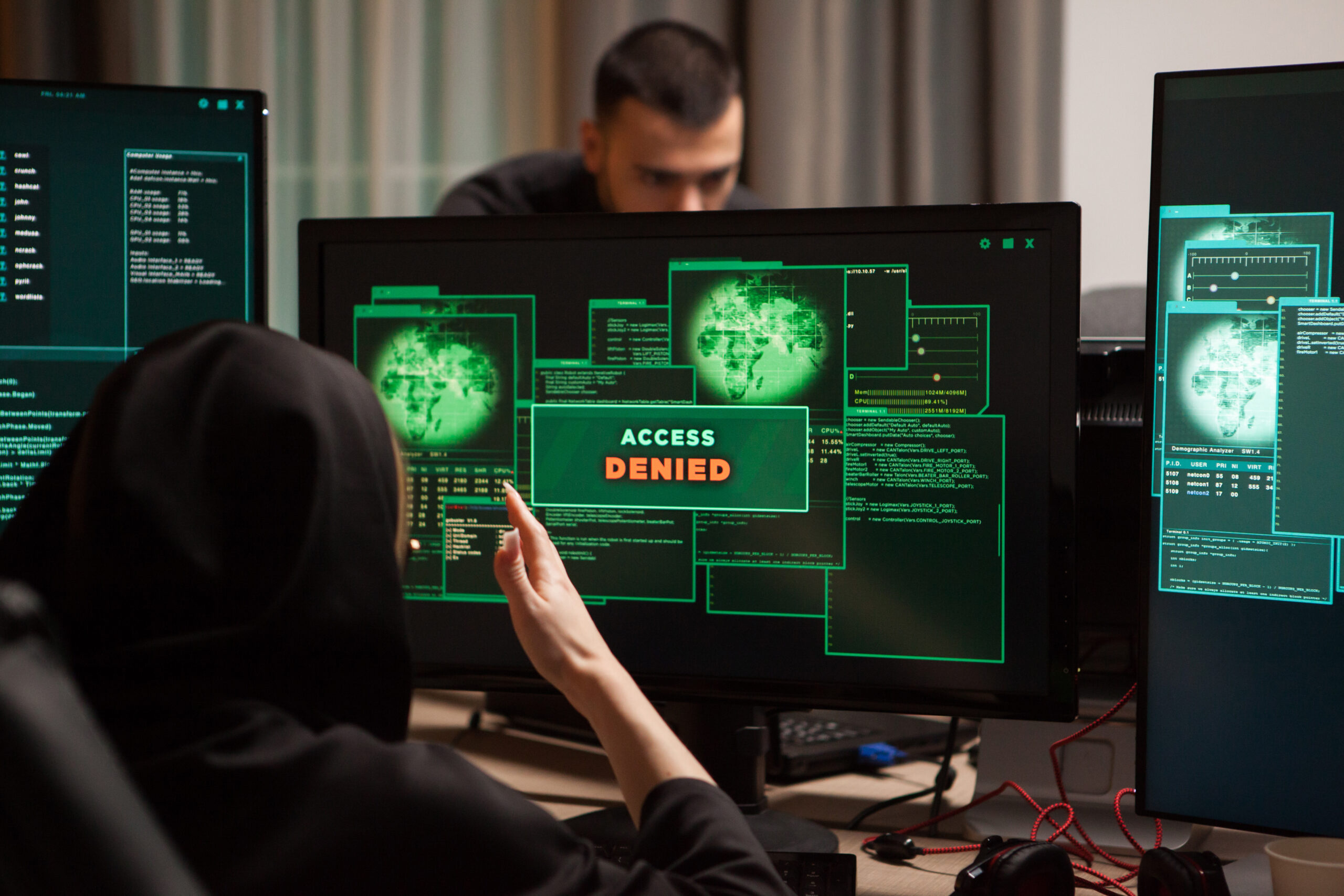










🔐 How Artificial Intelligence Is Redefining Modern Cybersecurity
Cybersecurity has entered a new era where speed, intelligence, and adaptability determine survival. As cyber threats become more automated, stealthy, and data-driven, traditional rule-based security tools are no longer sufficient. Artificial Intelligence (AI) is redefining modern cybersecurity by enabling systems to learn, predict, and respond to threats in real time, transforming security from a reactive function into a proactive and intelligent defense mechanism.
🧩 From Rule-Based Systems to Intelligent Security
Earlier cybersecurity models depended on static rules, signatures, and manual configurations, which worked only against known threats. AI replaces this limitation by learning normal behavior across users, networks, and systems. By continuously analyzing massive volumes of data, AI identifies subtle anomalies that indicate potential attacks, including zero-day exploits and unknown malware, making security adaptive rather than rigid.
🚨 Advanced Threat Detection and Real-Time Response
AI-powered cybersecurity platforms monitor logs, endpoints, network traffic, and user behavior simultaneously. When suspicious activity is detected, AI can respond instantly by isolating devices, blocking malicious traffic, or escalating alerts. This machine-speed response drastically reduces dwell time, limits lateral movement, and minimizes damage compared to human-only intervention.
🔍 AI-Driven Threat Intelligence and Prediction
Threat intelligence has evolved with AI’s ability to process global data sources, historical attack patterns, and real-time signals. AI correlates this information to identify emerging threats and predict potential attack paths. Instead of reacting after an incident, organizations can prioritize vulnerabilities, strengthen defenses, and prevent breaches before they occur.
🤖 Automation in Security Operations (SOC Transformation)
Security Operations Centers often suffer from alert fatigue due to thousands of daily notifications. AI automates alert triage, correlates events across tools, and filters false positives. This allows SOC teams to focus on high-impact threats while AI handles routine investigations, enabling faster incident response and improved operational efficiency.
🔐 AI in Identity, Endpoint, and Cloud Security
In identity security, AI detects abnormal login behavior, credential abuse, and insider threats by analyzing access patterns. For endpoint protection, AI identifies malware based on behavior instead of known signatures. In cloud and hybrid environments, AI continuously monitors dynamic workloads, configurations, and access controls, ensuring security scales with modern infrastructure.
🤝 Human–AI Collaboration in Cyber Defense
AI is not a replacement for cybersecurity professionals but a force multiplier. While AI processes data, detects patterns, and automates responses, human experts provide strategic thinking, context, and governance. This collaboration results in faster decisions, higher accuracy, and a more resilient security posture.
⚠️ Challenges and Ethical Considerations
Despite its advantages, AI introduces challenges such as explainability, bias, adversarial attacks, and trust in automated decisions. Organizations must ensure transparency, governance, and continuous oversight to use AI responsibly and securely in cybersecurity operations.
🔮 The Future of AI-Powered Cybersecurity
The future points toward autonomous and self-healing security systems capable of learning from every incident. AI-driven cybersecurity will increasingly predict threats, adapt defenses automatically, and coordinate protection across endpoints, networks, cloud, and IoT environments. Organizations adopting AI early will gain stronger resilience and long-term competitive advantage.